The Runway Only Shows You Half the Story
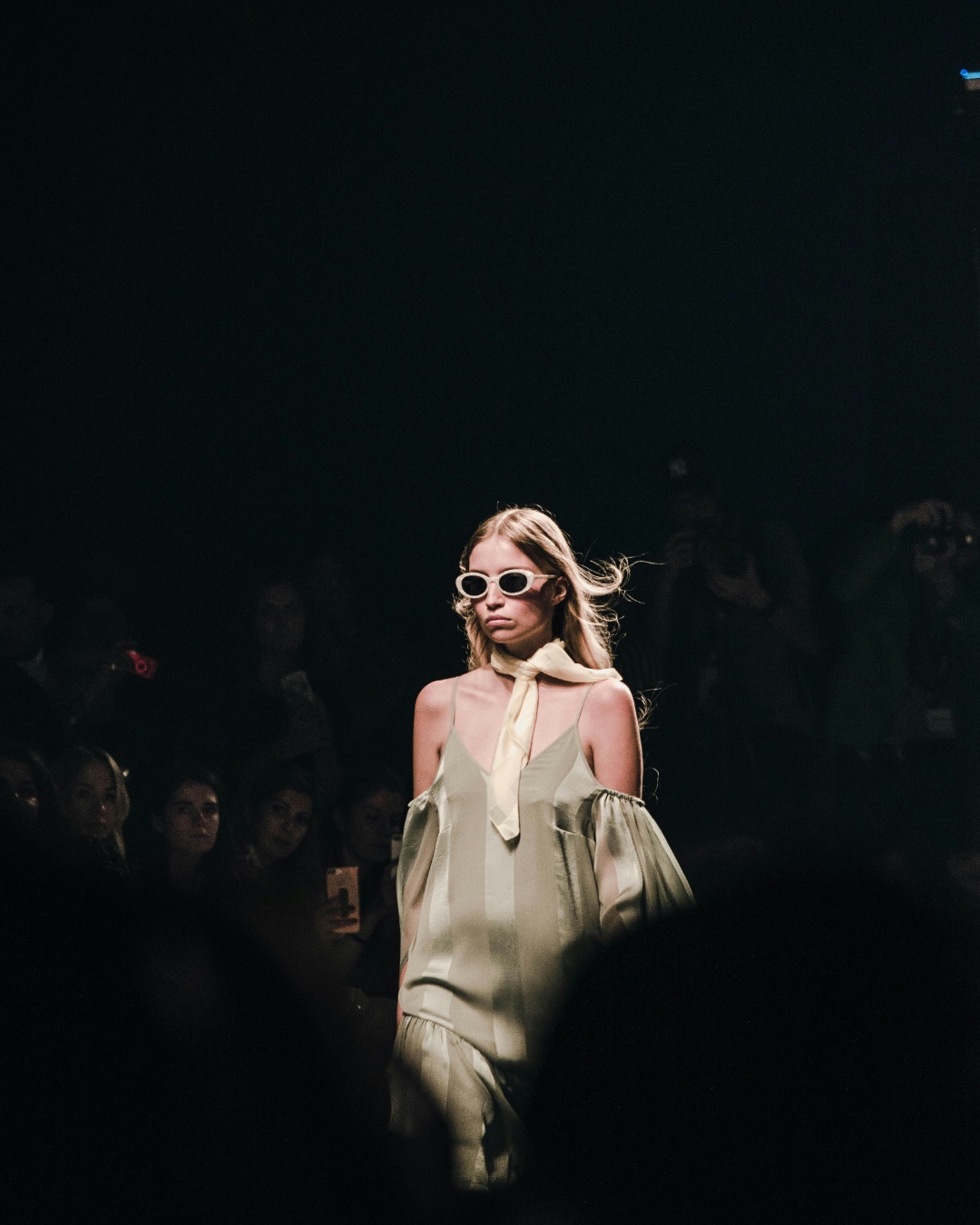
Right now, in New York, the industry is closing out six days that will quietly decide what everyone is wearing next spring — most people just won't realize it until the clothes show up on their own feed months from now.
This season carries more weight than usual. Tommy Hilfiger returns to The Plaza Hotel to present his new collection — a homecoming to the setting where he and his wife lived for over a decade, turning a runway show into something closer to a personal statement about American fashion itself. Meanwhile, established houses and a wave of emerging names are showing side by side, which is exactly the moment a trend either catches or quietly disappears.
Here's what almost nobody outside the industry knows: the show is never really about the forty looks that walk the runway. It's a forecast — a coded message about proportion, color, and mood aimed at retailers and buyers, months before any of it reaches a store. By the time you see "the new silhouette" everywhere, the decision was already made, in a room most people never got to watch.
The real skill isn't knowing every collection from every city. It's knowing which two or three ideas from this week actually leave the runway and enter real closets — and spotting them before everyone else does.

Why We Fall in Love with Beautiful Things
Long before we learn who made them or how much they cost, certain objects capture our attention.
A beautifully designed watch.
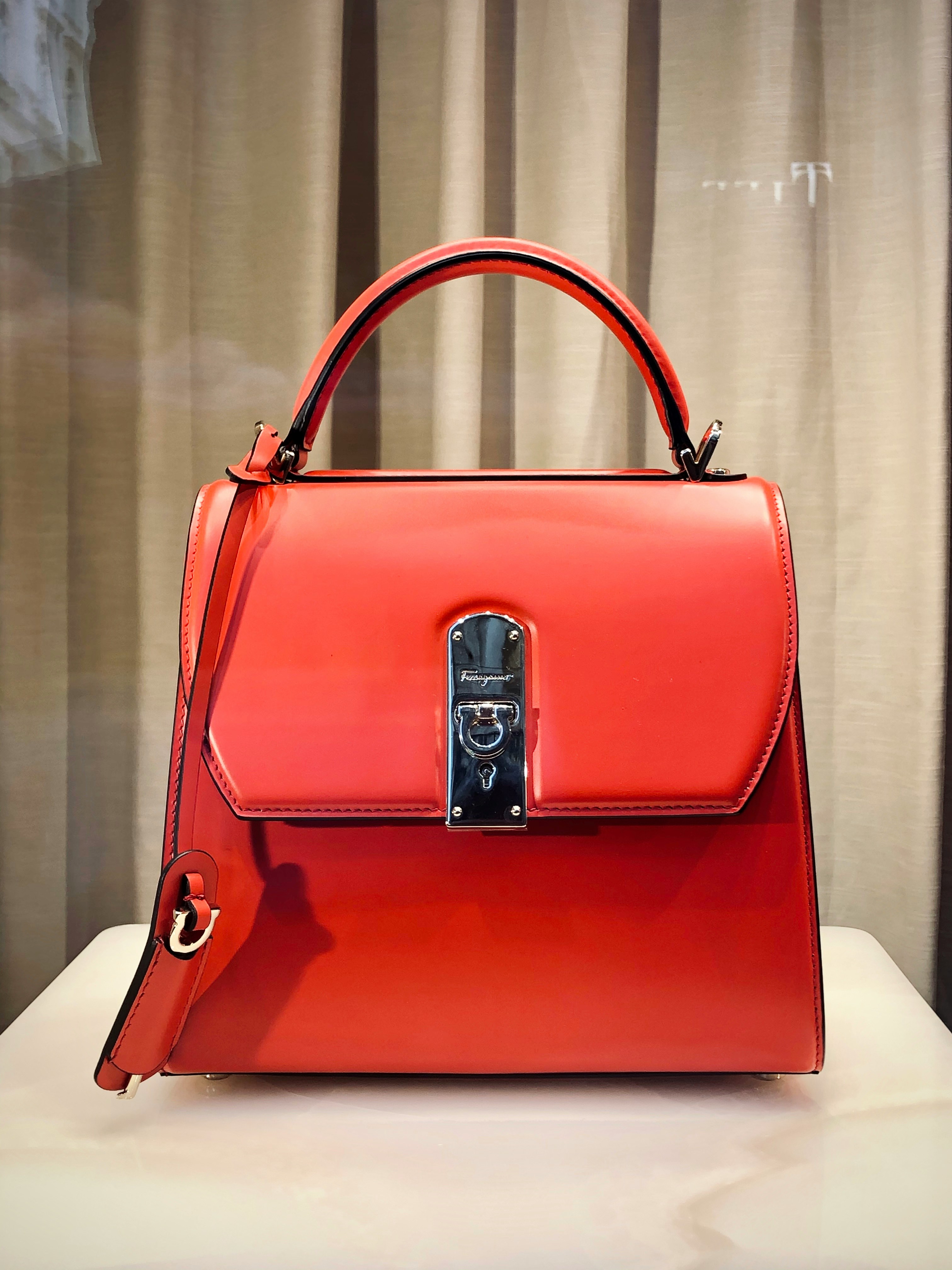
A perfectly crafted handbag.
A pair of shoes that somehow feels timeless the moment we see it.
We notice them instantly.
But why?
Part of the answer lies in design. Humans are naturally drawn to balance, proportion, texture, and detail. We appreciate objects that feel intentional, whether we realize it or not.
Yet beauty is rarely about appearance alone.
The objects we remember often tell a story. They reflect craftsmanship, creativity, and the countless decisions made by the people who designed them.
Perhaps that’s why truly beautiful products remain relevant long after trends fade. They create an emotional response that goes beyond function.
We don’t simply admire them.
We connect with them.
And while beauty may be subjective, the feeling it creates is surprisingly universal.
The desire to discover, appreciate, and surround ourselves with beautiful things is not a modern idea.
It’s part of what makes us human.
Why Fit Matters More Than Fashion
Fashion trends come and go.
Colors change. Silhouettes evolve. New styles appear every season.
Yet one principle remains constant: fit.
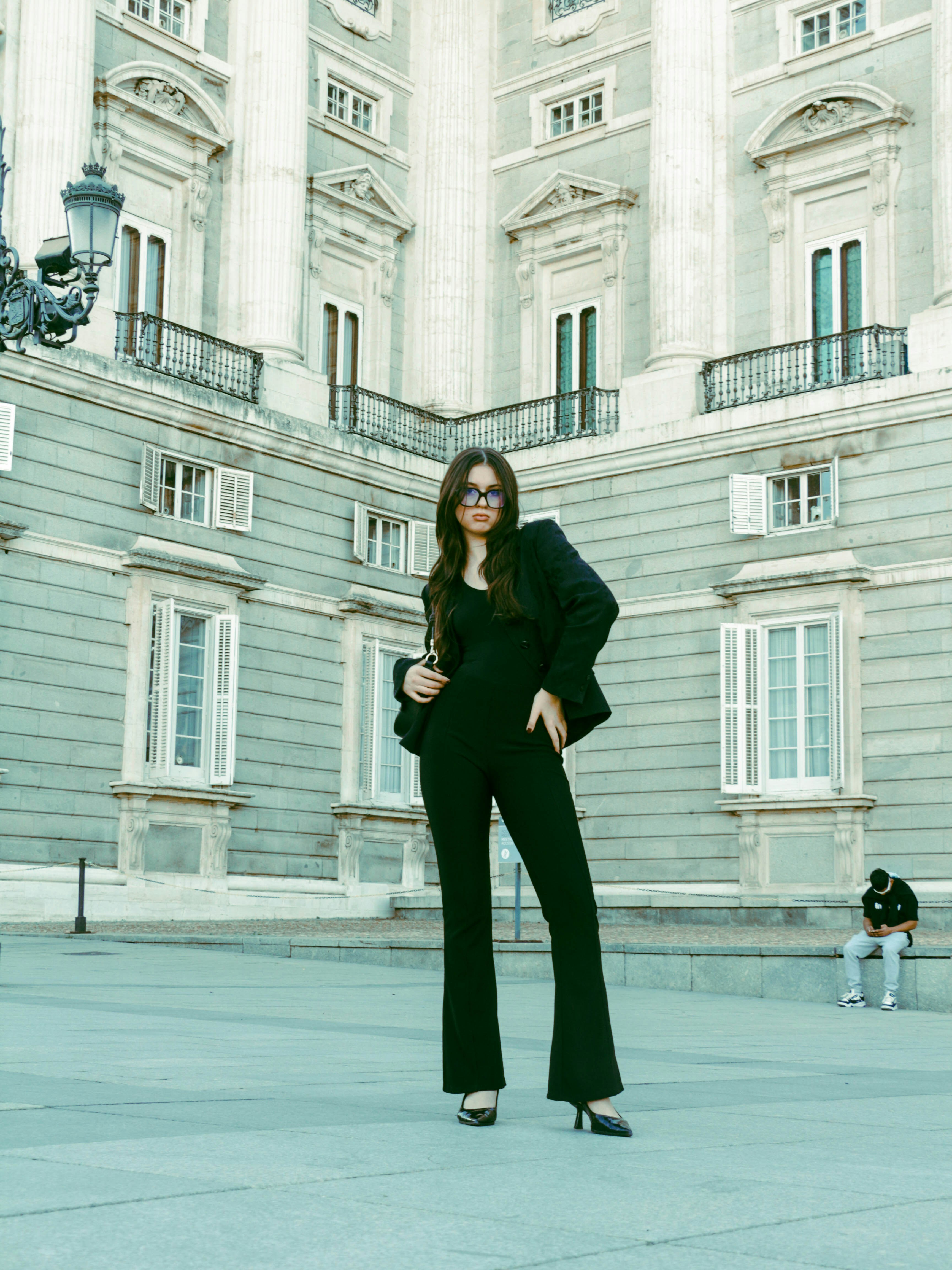
A perfectly fitted garment has the power to elevate even the simplest outfit. It creates balance, improves comfort, and allows the wearer to feel more confident.
The opposite is also true.
Even the most expensive clothing can lose its impact when the fit feels off.
This is why tailors have always played such an important role in style. Small adjustments can transform the way a garment looks and feels, creating a result that feels uniquely personal.
Over time, many people discover that style is less about following trends and more about understanding what works for them.
The goal isn’t perfection.
It’s finding clothing that complements the person wearing it.
Because great style doesn’t begin with fashion.
It begins with fit.
The Color That Refuses to Be Ignored
Some colors blend in.
Red was never meant to.
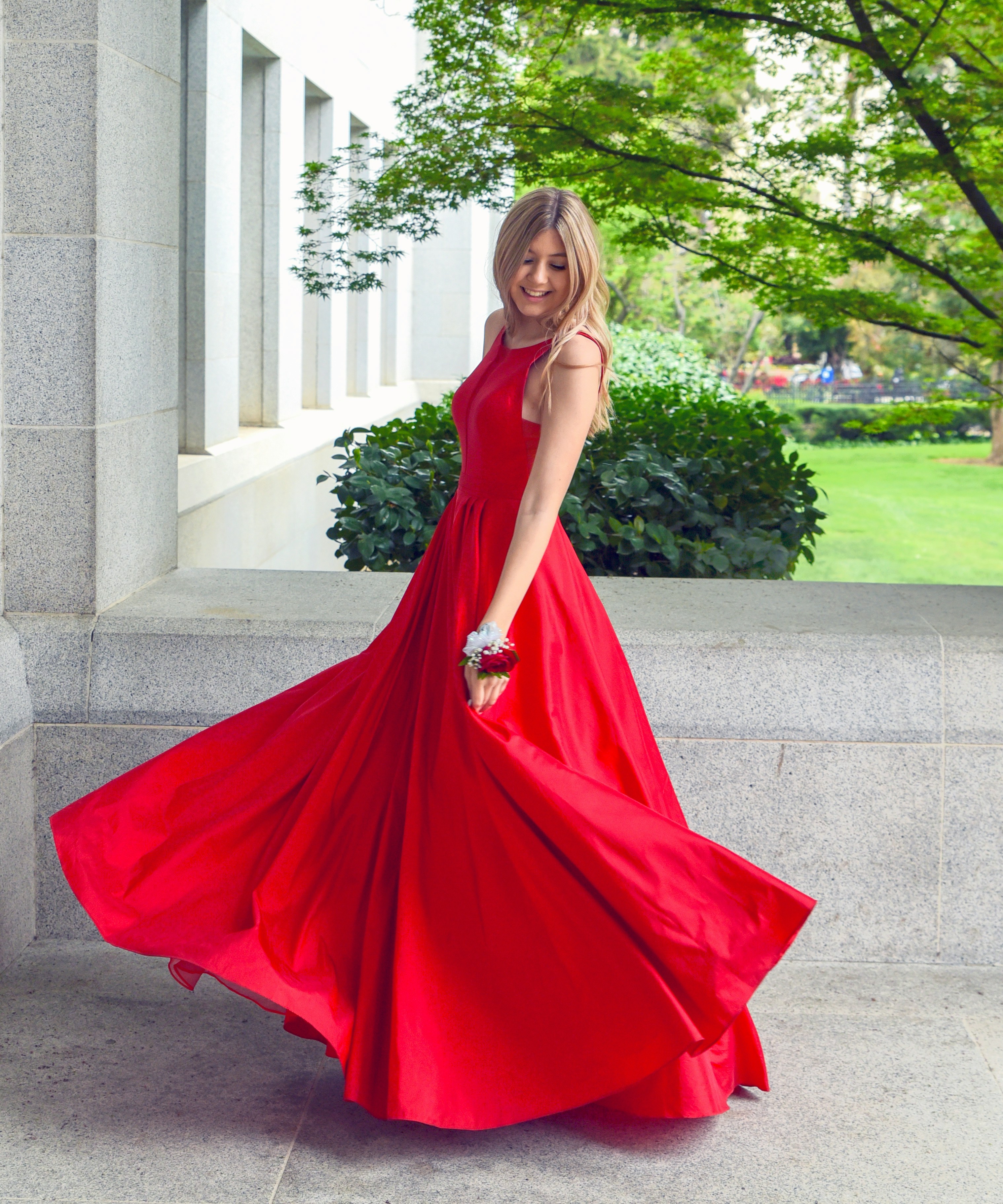
For generations, red has symbolized confidence, passion, energy, and individuality. It has the unique ability to capture attention without saying a word.
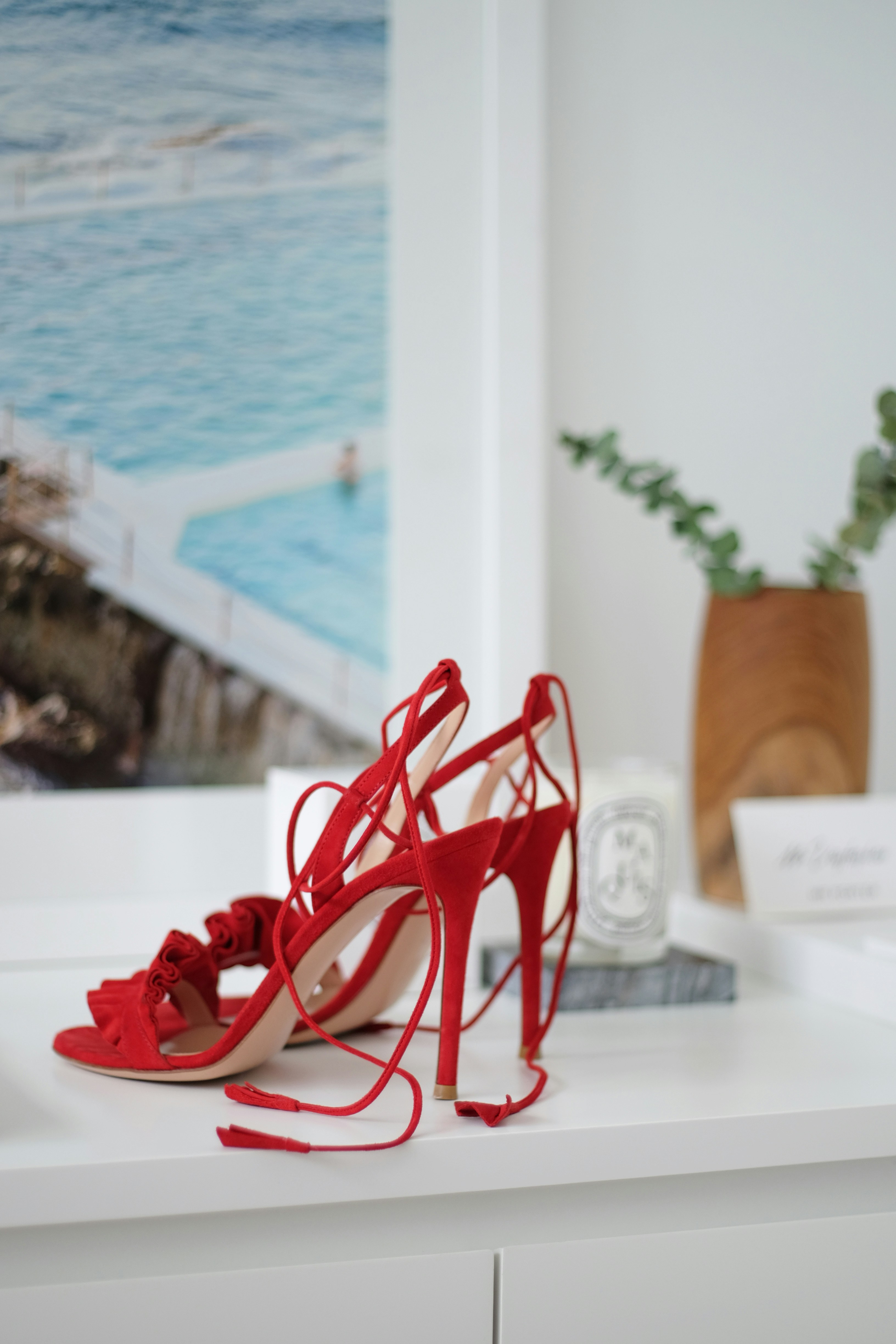
In fashion, a touch of red can transform an entire look. A handbag becomes more memorable. A pair of shoes becomes the focal point. Even the simplest outfit can feel more expressive.
Perhaps that’s why red continues to return season after season. While trends evolve and color palettes change, red maintains its ability to feel both timeless and bold.
The appeal isn’t just visual.
Wearing red often feels different. It carries a sense of confidence that few other colors can match.
Maybe that’s the true power of great style.
Not simply being seen, but feeling seen.
And few colors understand that better than red.
The Power of a Statement Piece
Most great outfits are built on essentials.
A well-cut jacket. A favorite pair of jeans. A timeless handbag. Pieces that work quietly in the background.
But every so often, a single item changes everything.
A bold color. An unexpected silhouette. A striking pair of shoes.
Fashion has always been a balance between restraint and expression. While timeless staples create the foundation of a wardrobe, statement pieces bring personality and individuality to it.
The beauty of a statement piece is that it doesn’t need to dominate an entire look. Its purpose is simply to create a moment.
A vibrant pair of heels can transform a neutral outfit. A colorful handbag can add energy to an otherwise understated wardrobe. A distinctive accessory can make an outfit feel uniquely personal.
The most memorable style often comes from this balance—the confidence to embrace something bold while keeping everything else effortless.
After all, fashion isn’t just about what we wear.
It’s about how we choose to express ourselves.
Explore More
* Jimmy Choo
* Manolo Blahnik
* Christian Louboutin
Why Loafers Never Go Out of Style
Fashion changes constantly.
Yet some designs seem to transcend trends, remaining relevant decade after decade.
The loafer is one of them.
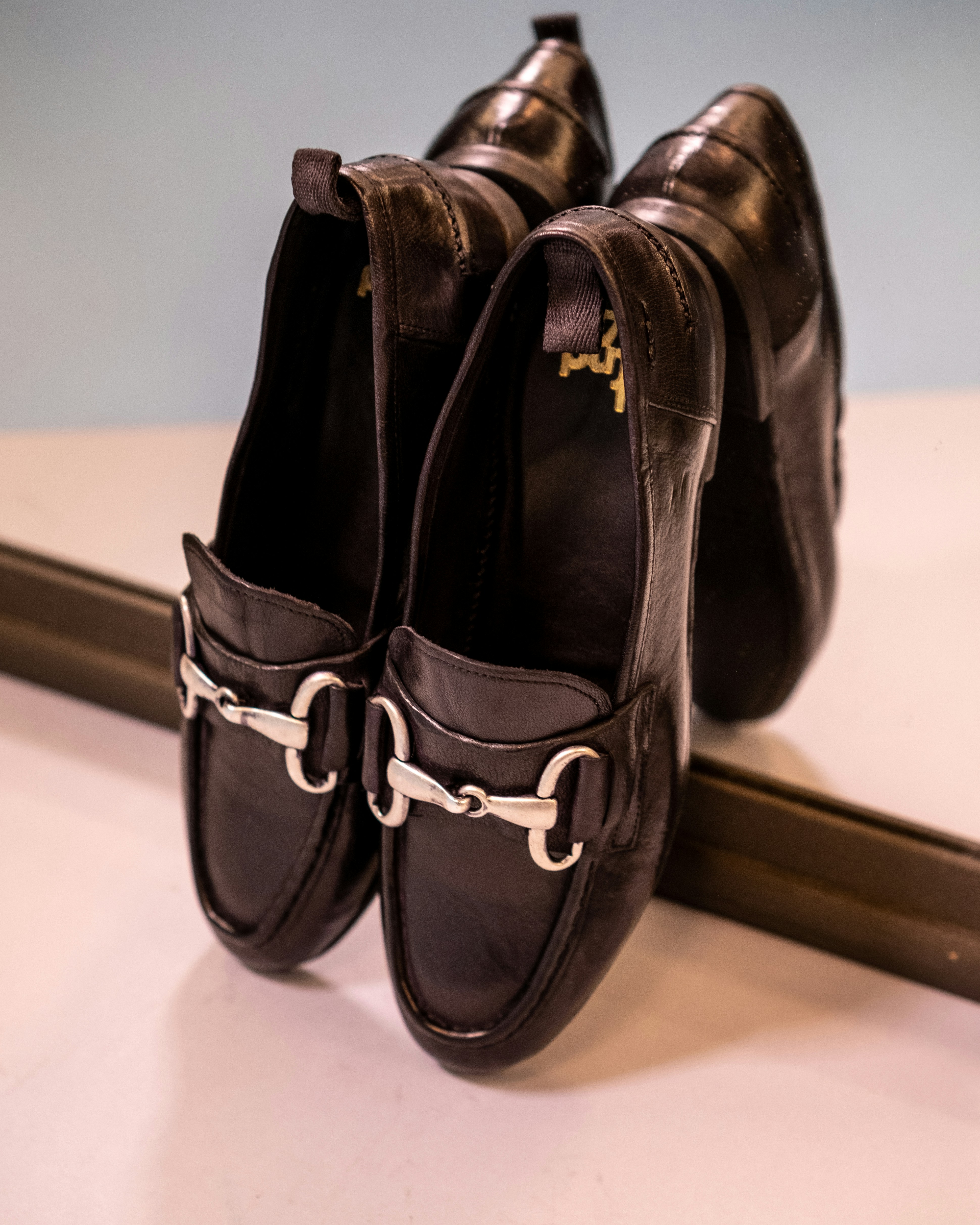
Originally designed as a practical slip-on shoe, the loafer has evolved into one of the most versatile styles in fashion. It can be dressed up or down, worn with tailoring or denim, and adapted to countless personal styles.
Part of its appeal is simplicity.
A great loafer doesn’t demand attention. Instead, it complements the rest of an outfit, adding a sense of refinement without feeling formal.
Over the years, designers have reinterpreted the silhouette in countless ways, experimenting with materials, colors, and details while preserving the essence of the original design.
That balance between tradition and versatility helps explain why loafers continue to resonate with new generations.
Some pieces remain popular because they follow trends.
Others remain popular because they outlive them.
The loafer belongs firmly in the second category.
Why Great Handbags Never Go Out of Style
Fashion trends come and go, but certain accessories remain timeless.
Few objects illustrate this better than a well-designed handbag.
Part of the appeal is practical. A handbag travels with us through workdays, weekends, celebrations, and everyday moments. It becomes one of the most frequently used items in a wardrobe.
But its significance goes beyond function.
A great handbag combines craftsmanship, design, and personal expression in a way few accessories can. The shape, material, color, and details all contribute to its character.
Over time, a favorite handbag often becomes more than an accessory. It becomes part of a person’s story, accompanying them through experiences, milestones, and memories.
This lasting connection helps explain why some designs remain desirable year after year, even as trends evolve.
The best handbags are not simply purchased.
They are chosen.
And the right one can remain relevant long after seasonal trends have disappeared.
Read More →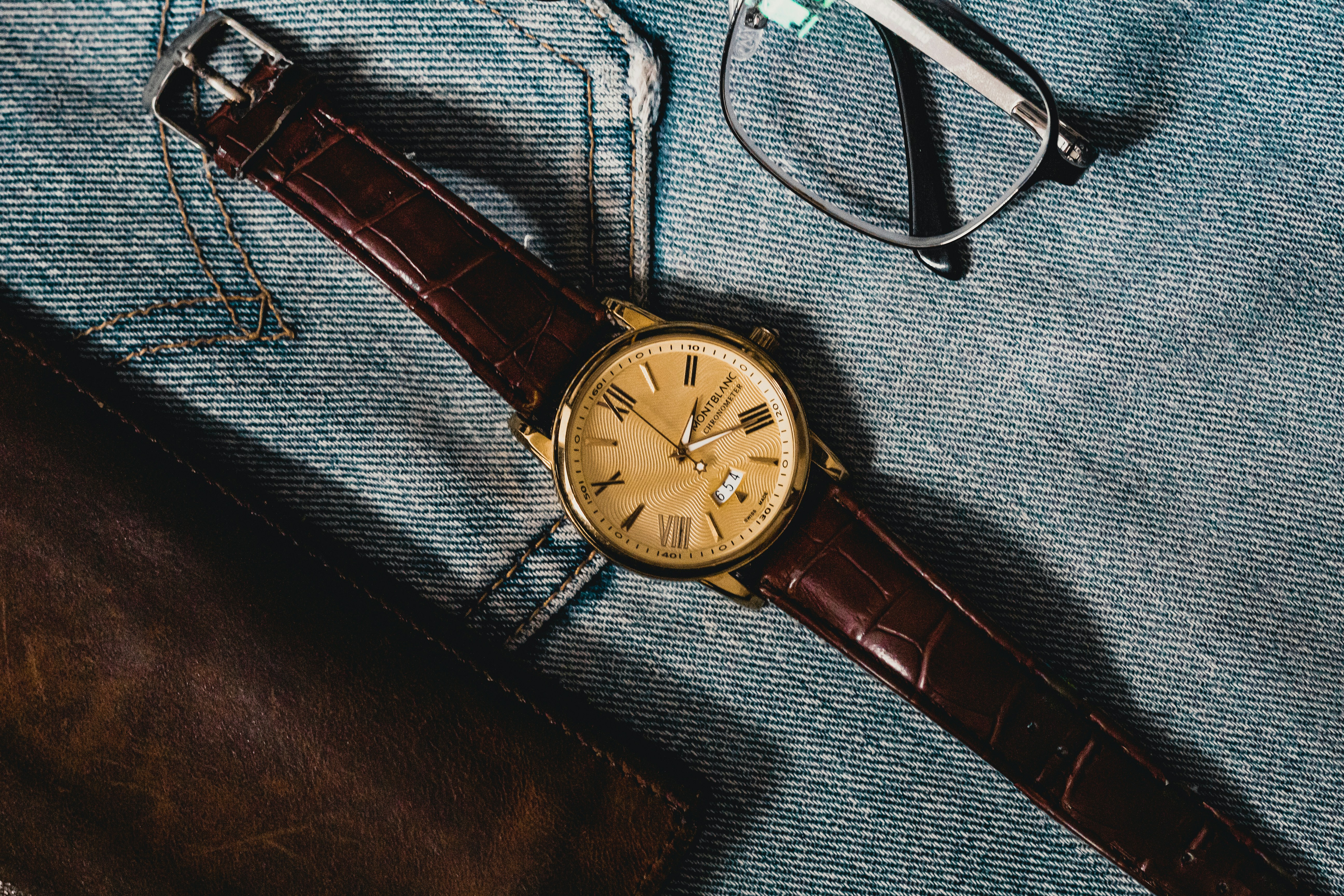
The Objects We Keep
Most of the things we buy eventually disappear from our lives.
They wear out, get replaced, or simply lose their meaning over time.
Yet every so often, we come across an object that stays with us.
A watch worn for years. A notebook filled with ideas. A favorite pair of sunglasses. A leather bag that has traveled across countries and collected stories along the way.
What makes these objects different isn’t always their price or their rarity.
It’s the role they play in our lives.
The best-designed products often become invisible. They perform their function so well that we stop thinking about them. Instead, they become part of our daily routines, our memories, and sometimes even our identity.
Over time, these objects gain something that cannot be manufactured: personal meaning.
Scratches become reminders of places visited. Worn leather reflects years of use. Small imperfections become part of the story.
Perhaps that’s why we continue to value well-made things.
Not because we need more possessions, but because certain objects earn a permanent place in our lives.
The products we keep are rarely the most complicated.
They’re simply the ones we never want to replace.
Why Fewer, Better Things Are Winning
For a long time, more was considered better.
More clothes. More gadgets. More options. More stuff.
Today, many people are moving in the opposite direction.
Instead of filling their lives with as many things as possible, they’re becoming more selective about what they choose to own.
The focus has shifted from quantity to quality.
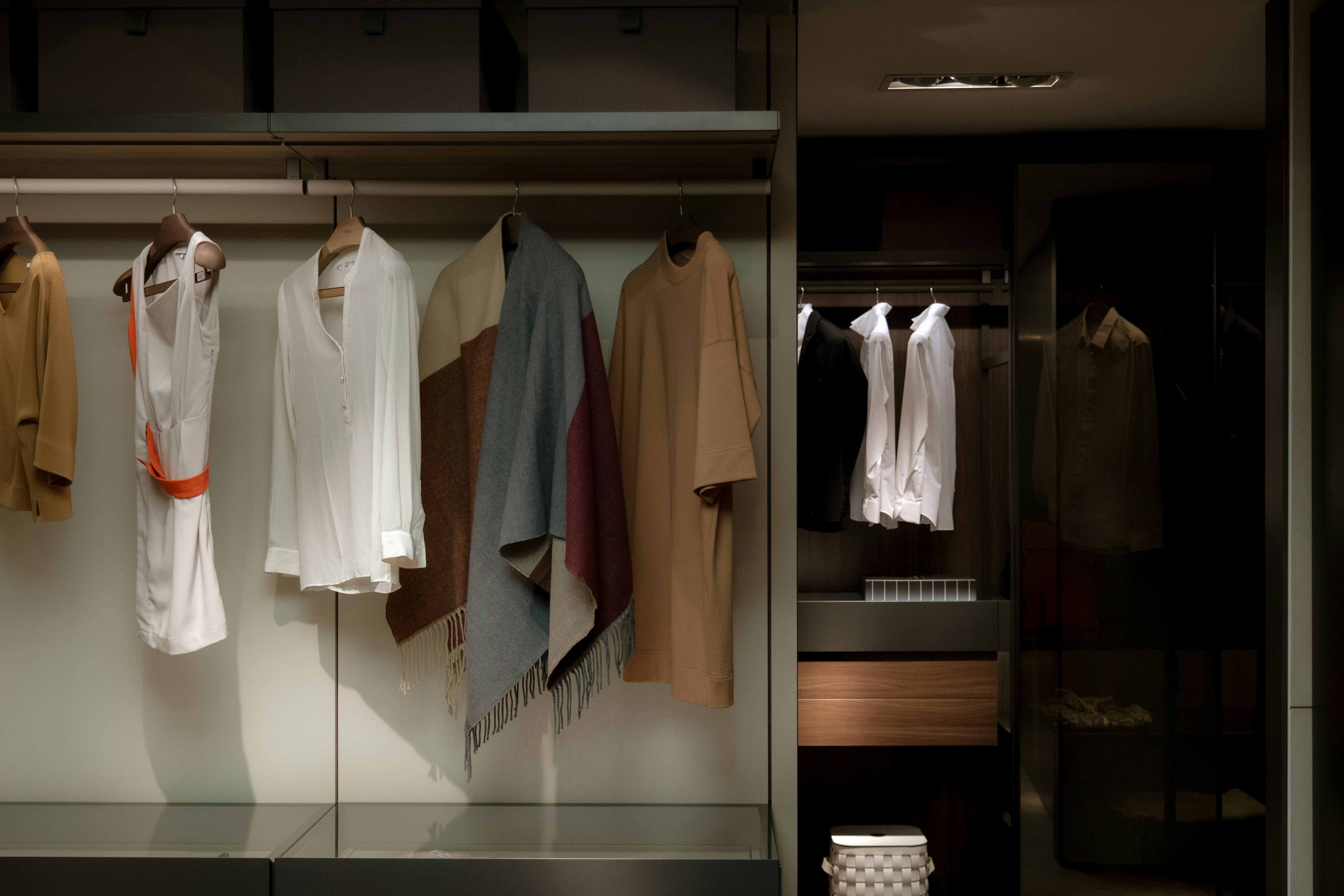
A well-made jacket worn for years often provides more value than several cheaper alternatives. A beautifully crafted chair can bring daily enjoyment for decades. A reliable watch, a favorite pair of sunglasses, or a trusted travel bag can become part of a person’s story.
This mindset isn’t about owning less for the sake of owning less.
It’s about surrounding ourselves with things that serve a purpose, perform well, and continue to bring value over time.
As a result, shoppers are becoming more thoughtful about their purchases. They are asking better questions, paying closer attention to craftsmanship, and investing in products they genuinely love.
The goal isn’t to have fewer things.
The goal is to have better things.
And that idea is changing the way we shop, live, and design our spaces.
Why Craftsmanship Never Goes Out of Style
Trends come and go.
Styles change. Technologies evolve. New products appear every day.
Yet one thing continues to hold its value: craftsmanship.
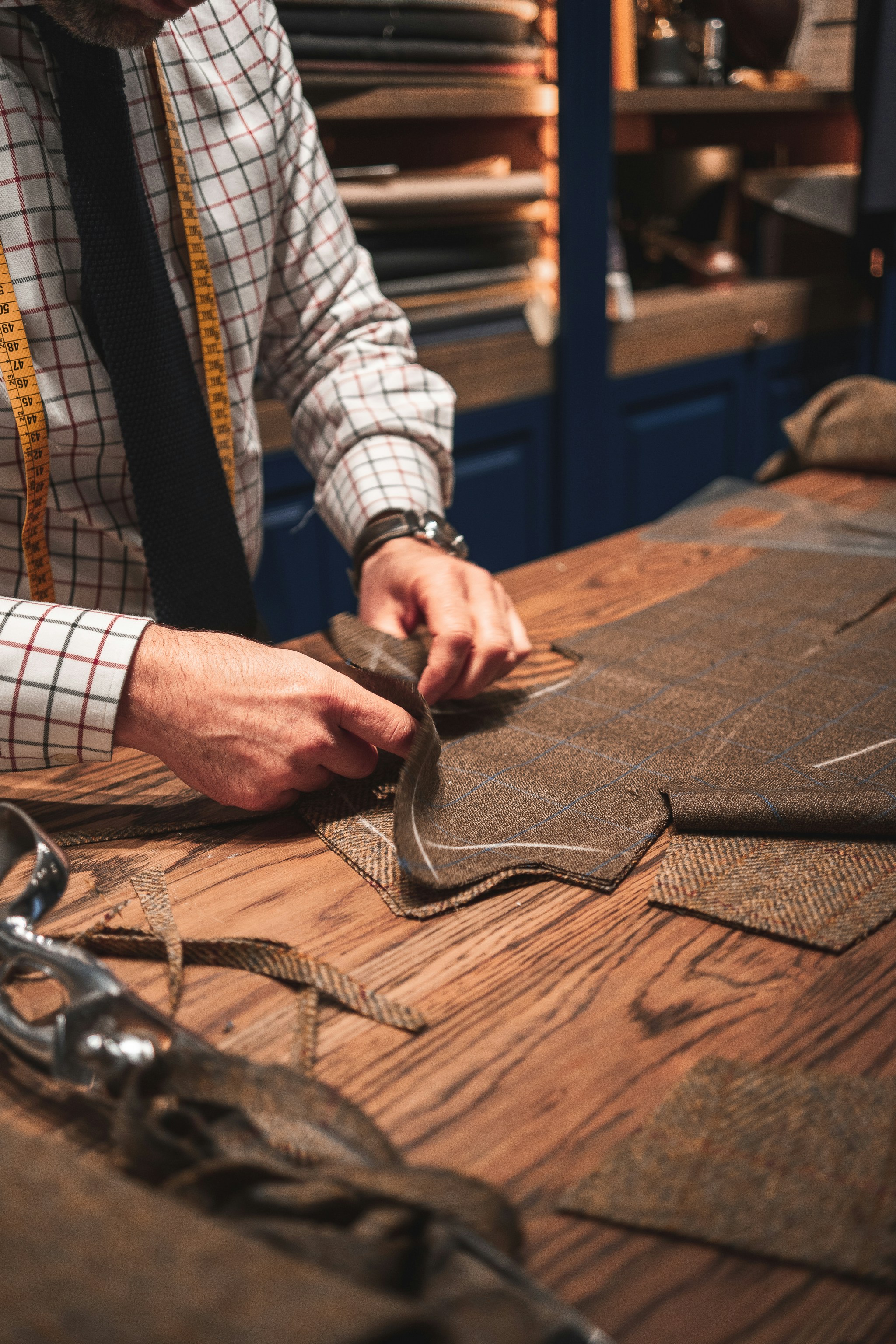
Whether it’s a hand-stitched leather bag, a mechanical watch, a solid wood table, or a perfectly tailored jacket, the objects we treasure most often share one thing in common—they were made with care.
Craftsmanship is difficult to define, but easy to recognize.
It’s found in the details. The precision of a seam. The smoothness of a wooden edge. The balance of a watch movement. The quality of a material chosen to last for decades rather than seasons.
In an age of mass production, craftsmanship reminds us that some things are still worth taking time to create.
Perhaps that’s why well-made objects continue to resonate with us. They carry a sense of intention. They reflect the skills, experience, and dedication of the people behind them.
The result is more than a product.
It’s a connection between maker and owner.
And while trends may change, that connection never goes out of style.
Explore More
* Montblanc
* Hermès
* Bottega Veneta
The Return of Intentional Listening
Music has never been more accessible.
With millions of songs available instantly, we can listen anywhere, anytime, and on almost any device.
Yet something interesting is happening.
Many people are rediscovering the value of listening with intention.
Instead of treating music as background noise, they’re creating moments to slow down, sit comfortably, and fully experience the artists, instruments, and recordings they love.
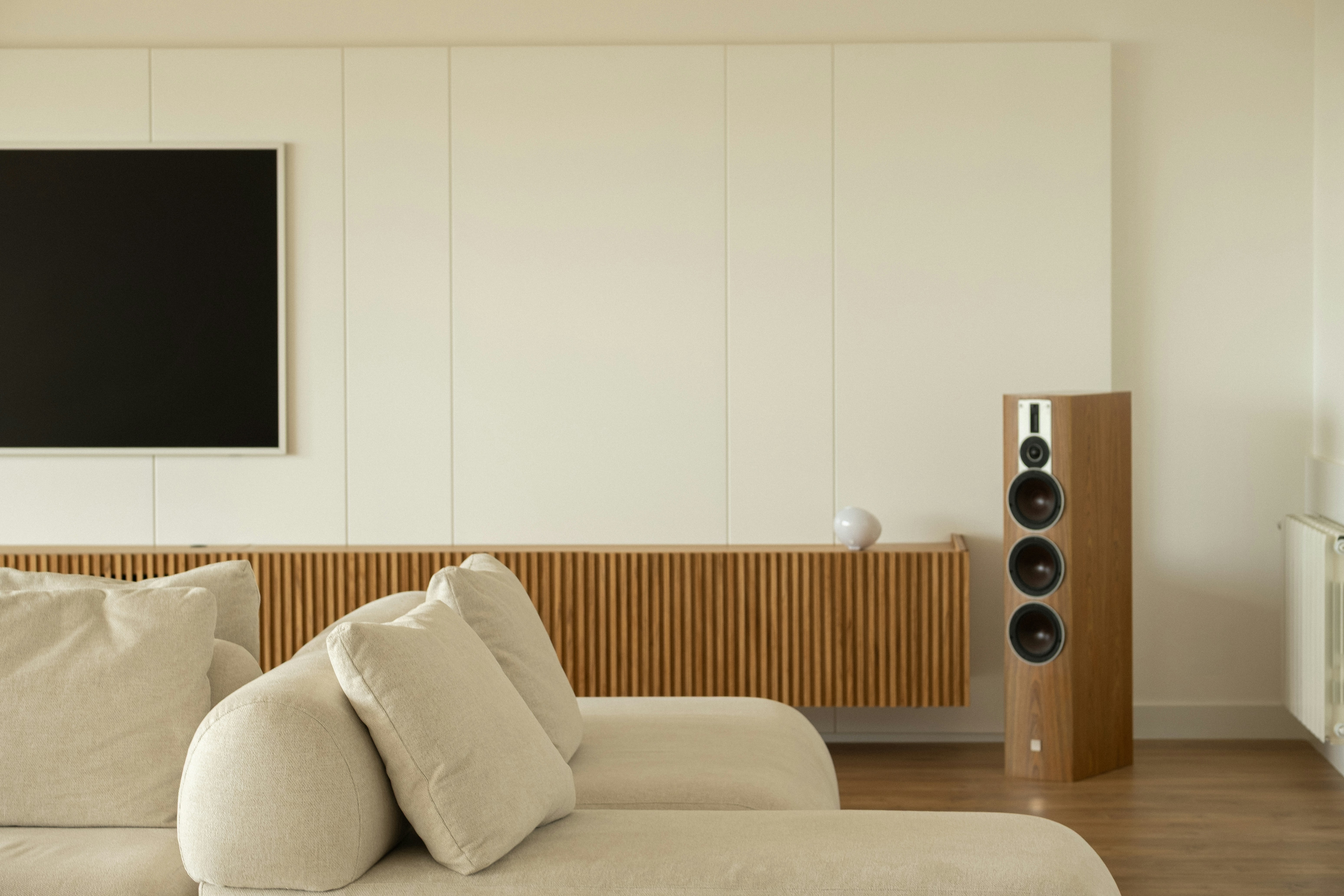
This renewed appreciation has sparked interest in quality headphones, dedicated speakers, turntables, and thoughtfully designed listening spaces. It’s not simply about technology—it’s about creating an experience.
Just as a beautifully designed home encourages us to spend more time in it, great audio equipment encourages us to engage more deeply with the music we love.
The goal isn’t perfection.
It’s presence.
In a world filled with notifications, distractions, and endless scrolling, intentional listening offers something increasingly rare: the opportunity to focus on a single thing and enjoy it completely.
Sometimes luxury isn’t about owning more.
Sometimes it’s about paying attention.
Explore More
* Bang & Olufsen
* Sonos
* Bowers & Wilkins
Why Mechanical Watches Still Matter
In a world where our phones tell the time more accurately than any watch ever could, mechanical watches continue to captivate millions of people around the world.
The reason has very little to do with timekeeping.
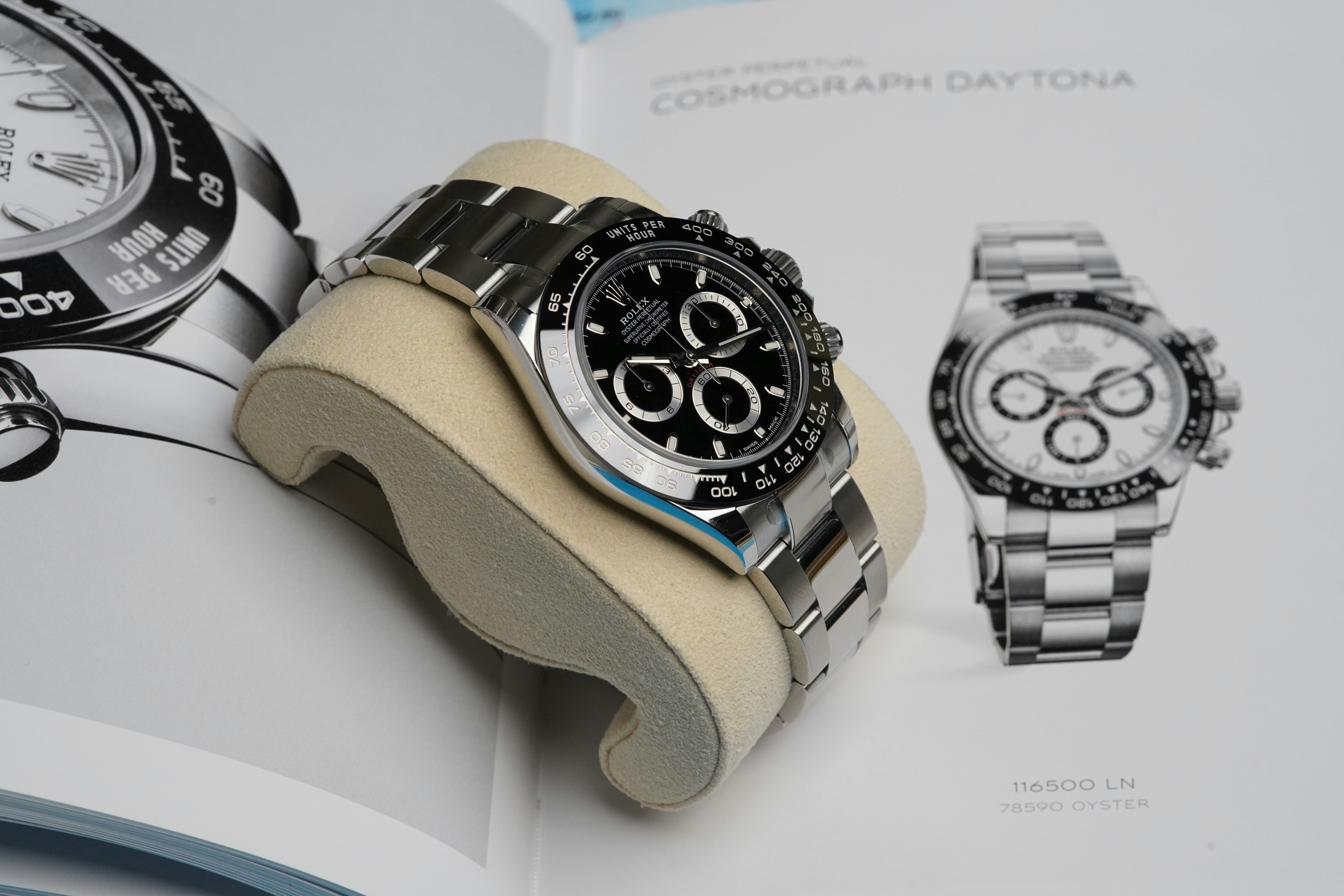
A mechanical watch is one of the few everyday objects that combines engineering, craftsmanship, and design into something you can wear on your wrist. Hundreds of tiny components work together in perfect harmony, powered not by a battery, but by springs, gears, and precision mechanics.
There is also something deeply personal about a mechanical watch.
Unlike most technology, which becomes outdated within a few years, a well-made watch can last for generations. It can be worn, repaired, passed down, and appreciated long after newer devices have been forgotten.
For many enthusiasts, a mechanical watch represents an appreciation for craftsmanship in its purest form. Every detail, from the movement inside to the finishing on the case, reflects the skill and dedication of the people who created it.
Perhaps that’s why mechanical watches continue to thrive in the digital age.
They remind us that not everything needs to be faster, smarter, or more connected. Some things remain valuable simply because they are beautifully made.
A mechanical watch doesn’t just tell time.
It tells a story.
Explore More
* Rolex
* Omega
* IWC Schaffhausen
Why We’re Falling Back in Love with Natural Materials
For years, homes were designed around sleek finishes, high-gloss surfaces, and perfectly polished spaces.
Today, something different is happening.
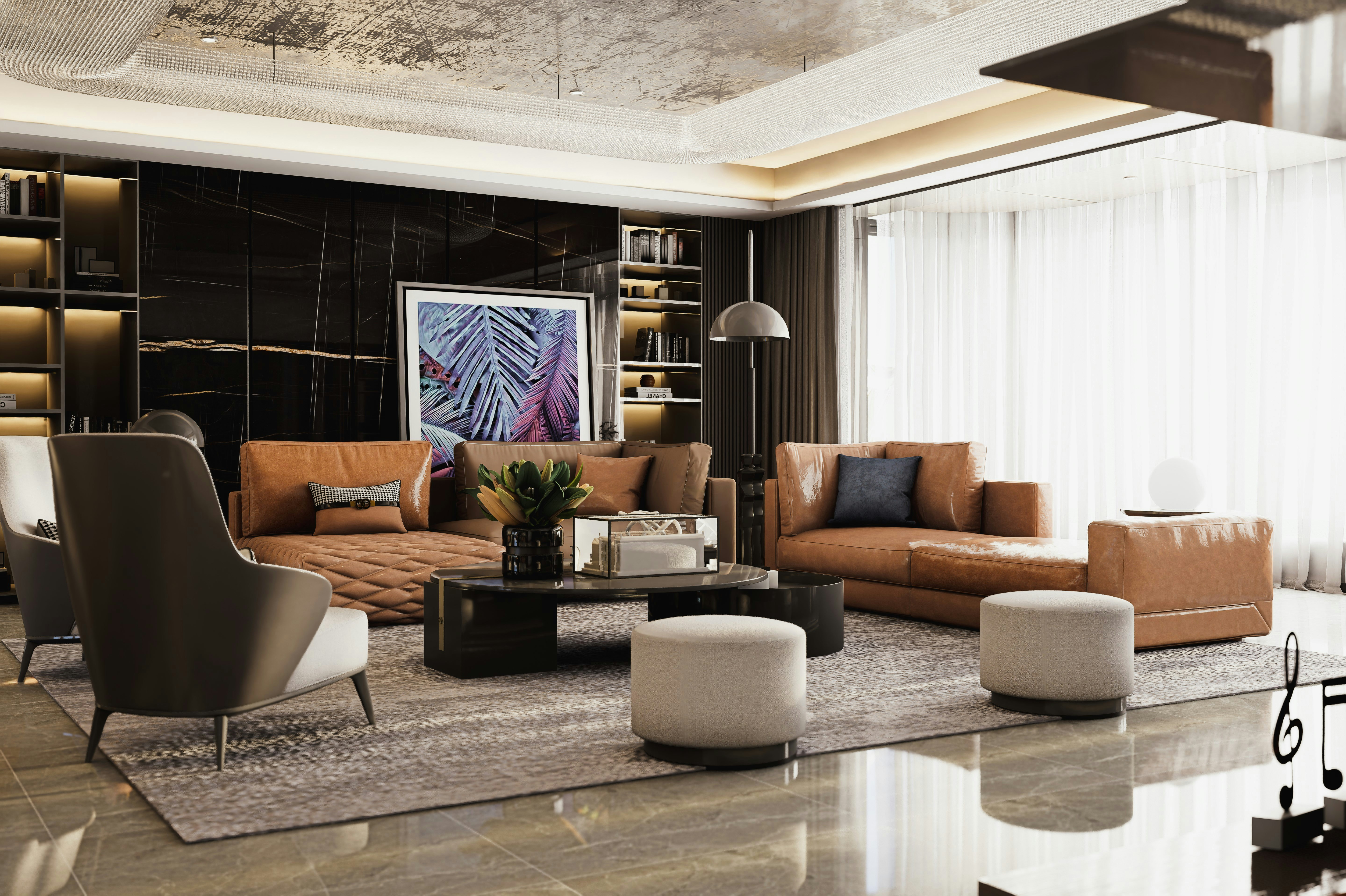
More people are seeking interiors that feel warmer, calmer, and more connected to the natural world. Materials like solid wood, linen, wool, stone, and natural leather are finding their way back into our homes, bringing character and texture that manufactured materials often can’t replicate.
Part of the appeal is authenticity.
Natural materials age gracefully. Wood develops a unique patina over time. Linen becomes softer with use. Stone carries subtle variations that make every piece one of a kind. These imperfections aren’t flaws—they’re reminders that the objects we live with have a story.
This shift is also changing how we think about quality. Instead of filling a space quickly, many homeowners are choosing fewer, better pieces that can be enjoyed for years.
The result is a new appreciation for craftsmanship, thoughtful design, and materials that feel as good as they look.
In a world that is becoming increasingly digital, natural materials offer something refreshingly human: texture, warmth, and a sense of permanence.
Sometimes luxury isn’t about adding more.
It’s about bringing nature back inside.
Explore More
* Restoration Hardware
* Design Within Reach
* West Elm
Effortless Style Is the New Luxury
Luxury fashion is changing.
For years, trends moved faster than ever. New collections arrived every season, styles changed overnight, and keeping up often felt impossible.
Today, many women are embracing a different approach.
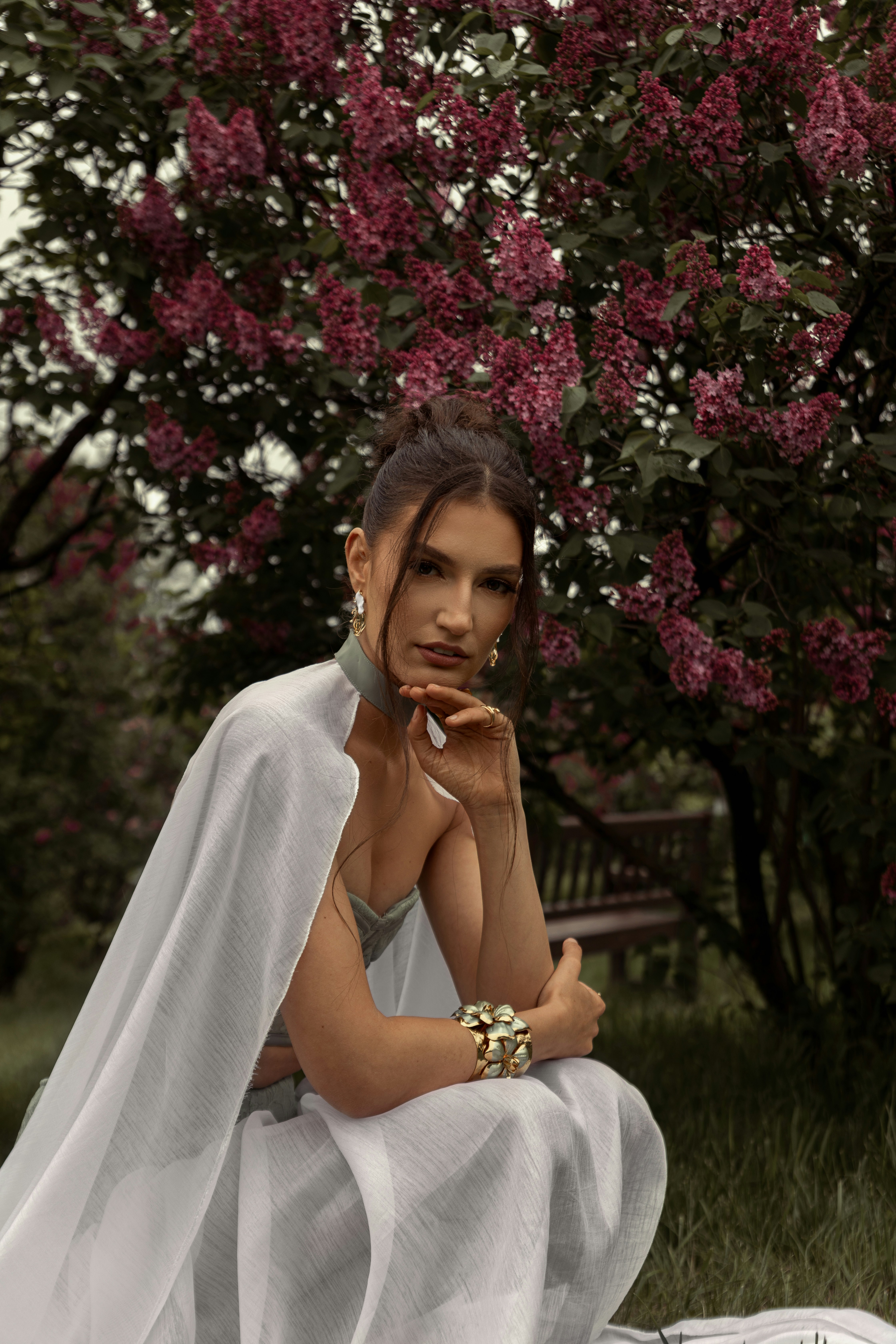
Instead of chasing every trend, they’re building wardrobes around timeless pieces that work year after year. A perfectly cut blazer. A versatile dress. A beautifully crafted handbag. Pieces chosen not because they’re popular today, but because they’ll still feel relevant tomorrow.
The appeal is simple. Getting dressed becomes easier when every piece serves a purpose.
This shift has also brought renewed attention to quality, craftsmanship, and thoughtful design. More shoppers are asking where a product was made, what materials were used, and whether it will still look beautiful years from now.
The result is a more personal relationship with fashion—one built on confidence rather than constant change.
The most stylish wardrobes aren’t always the largest. They’re often the most intentional.
Explore More
* Max Mara
* Toteme
* The Row
Why Quiet Luxury Isn’t Going Anywhere
For years, luxury was easy to spot. Large logos, bold graphics, and instantly recognizable brands dominated fashion.
Today, the opposite is happening.
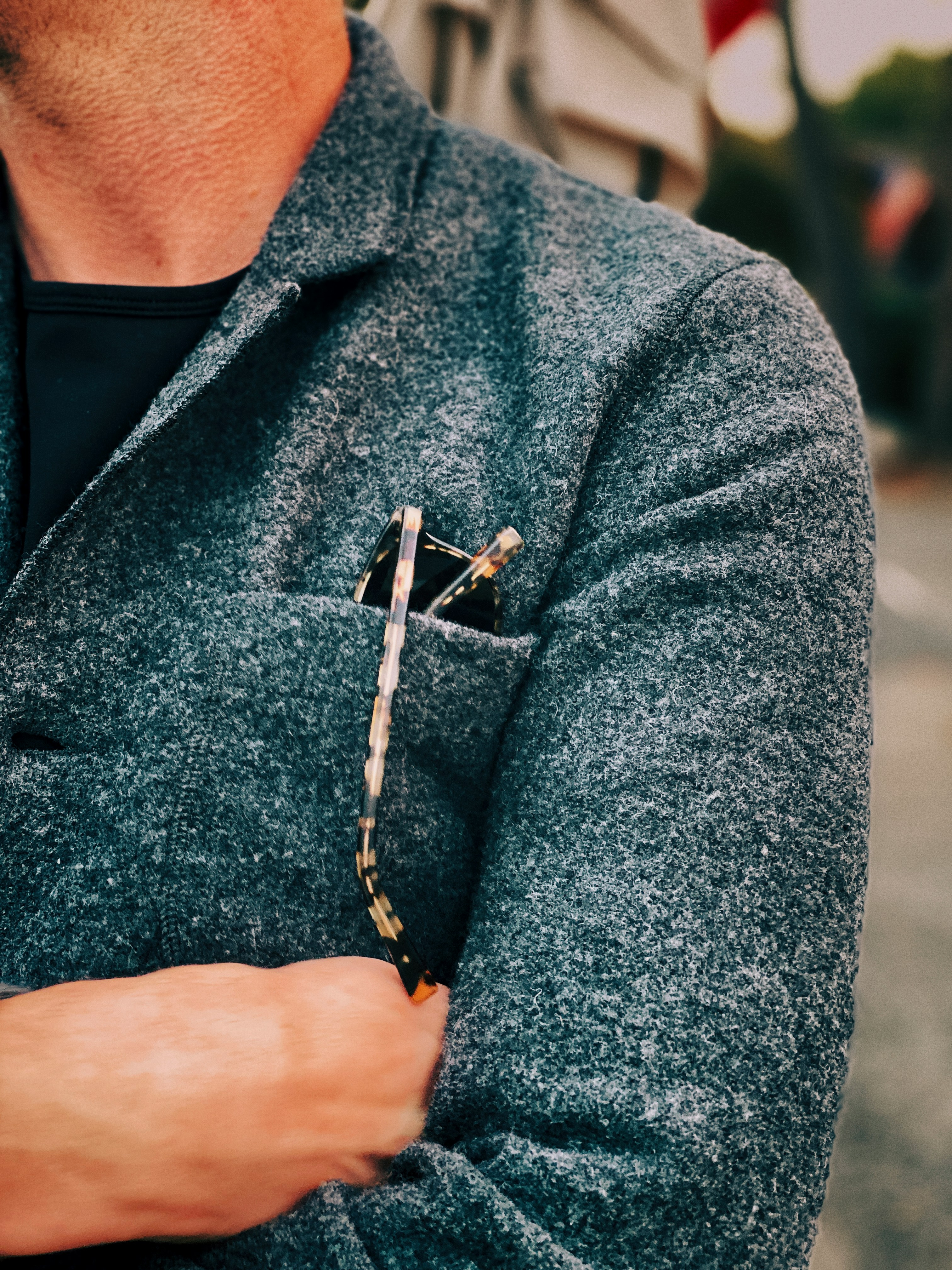
More shoppers are gravitating toward understated pieces that focus on quality, craftsmanship, and materials rather than obvious branding. The trend has become known as “quiet luxury” — a style defined by timeless design, exceptional fabrics, and subtle elegance.
Instead of buying a product because everyone recognizes the logo, people are increasingly looking for pieces that feel exceptional when worn. Soft cashmere, premium leather, tailored silhouettes, and refined details are becoming more important than flashy branding.
This shift has helped shine a spotlight on brands that have spent decades perfecting their craft. Houses such as Loro Piana, Brunello Cucinelli, and others have built loyal followings by focusing on quality, comfort, and timeless design rather than trends.
The appeal is simple. Quiet luxury feels personal. It isn’t about impressing everyone else. It’s about investing in pieces that look good today and will continue to look good years from now.
As fashion continues to evolve, one thing is becoming clear: true luxury isn’t getting louder. It’s getting quieter.
Explore the Brands
* Loro Piana
* Brunello Cucinelli
* Zegna

Your Personal World of Fashion, Refined.
We didn't just build another shopping app. We built an architecture for your style.
Every day, you encounter pieces that resonate—a specific silhouette, a cut, an ensemble—but the journey from discovery to ownership is often cluttered with generic noise. We wanted to change that. We wanted to give you total control over the fashion in your orbit.
That is VANT.
Think of it as your personal runway, a direct line to the designers and pieces that define your aesthetic.
The Lens: This is fashion intelligence in your pocket. When you encounter a look that captures your attention, use it to instantly bridge the gap between inspiration and the actual item. It is the quickest way to pull the fashion you love into your personal collection.
The Mall: Think of this as the iTunes of luxury fashion. It is a curated, streamlined library of the brands you love, organized and held in your pocket. We have stripped away the clutter, leaving only a space dedicated to the labels and pieces that matter to your wardrobe.
The Edit: This is our editorial heart—a space for narrative and style. It provides the context and the history behind the trends, helping you understand the why behind your choices.
Total Ownership: You are the lead curator. You decide what shapes your aesthetic. You manage the collection. VANT is not about feeding you trends; it is about providing the tools to build your own definitive fashion world.
VANT is disruptive because it stops chasing the noise and starts building the foundation of your personal style. It is precise, it is intelligent, and it is entirely yours.
Welcome to the edit.